
Metal vs. Wooden Pilates Reformers: How Material Shapes the Movement Experience
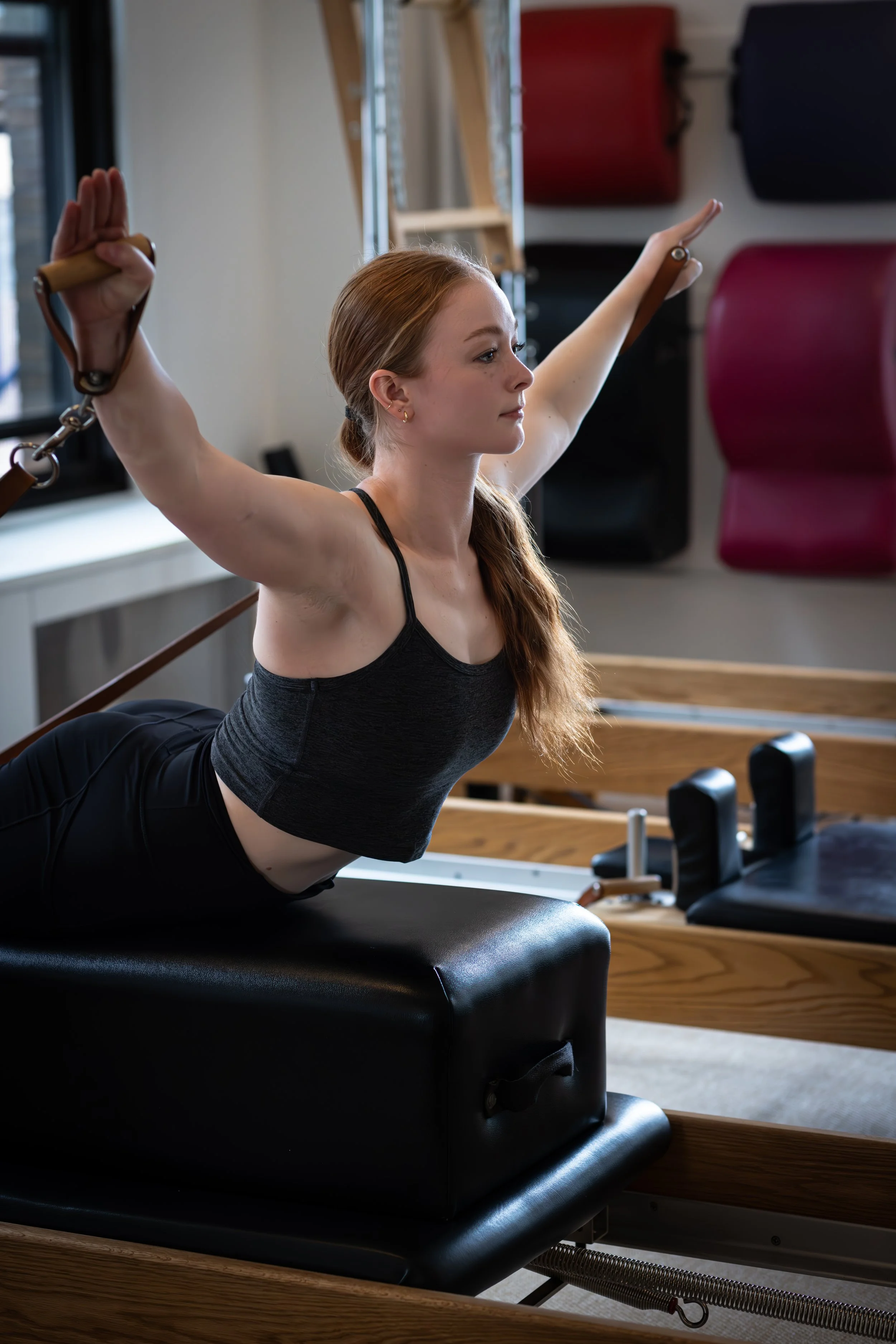
In studios that offer reformer Pilates as part of the practice, the equipment often fades into the background once the movement begins. Springs stretch, the carriage glides and the rhythm of breath and motion persists. Yet the structure beneath those movements is important. The choice between a metal reformer and a wooden reformer shapes the feel of every exercise, the sound in the room, the durability of the equipment, and even the aesthetic tone of a studio. While both metal and wooden reformers serve the same fundamental purpose—supporting controlled resistance training through springs and a sliding carriage—the materials influence the experience in ways that may not be so obvious.
When people picture classical Pilates studios, they often imagine rows of beautifully crafted wooden frames with smooth edges and a warm finish. Wood has a natural visual softness that fits easily into wellness spaces where peace and tranquility are part of the environment. Many instructors believe wooden frames contribute to a grounded feeling during practice. The material absorbs small vibrations, which can make the carriage movement feel slightly muted. The result is a sensation that some practitioners describe as smooth or quiet, even when the springs are working under significant tension.
Metal reformers approach the same design from a different perspective. Aluminum or steel frames emphasize strength, precision and a modern aesthetic. Instead of warm tones and visible grain patterns, the structure presents clean lines and a more industrial appearance. This can fit well in contemporary studios that lean toward minimalism. The carriage movement on metal frames often feels more direct because the frame transmits vibration differently than wood. Some instructors appreciate that responsiveness, particularly when working with athletic clients who want clear feedback from the equipment during dynamic sequences.
Durability is often the first practical question that studio owners consider when choosing between materials. Metal reformers are typically associated with long-term structural stability. High quality aluminum frames resist warping and can tolerate heavy use without noticeable changes in alignment. In busy studios where reformers may be used for many classes each day, this reliability becomes an important factor. Metal frames also tend to handle temperature and humidity fluctuations with fewer concerns about expansion or contraction.
Wooden reformers are durable as well, though they behave differently under environmental conditions. Wood naturally responds to changes in humidity, which means it can expand or contract slightly depending on the climate. Manufacturers usually treat the material carefully to minimize these effects, and well-maintained wooden reformers can last for many years. Many classical studios around the world still use wooden equipment that has been in service for decades. Maintenance may involve occasional refinishing or careful inspection of joints to ensure everything remains tight and aligned.
Sound plays an unexpected role in how reformers feel during use. Metal frames can create a sharper acoustic response when the carriage moves or when springs engage the hooks. The sound is rarely loud, though it carries a crisp tone that some people notice immediately. Wooden frames soften these noises because the material absorbs vibration rather than reflecting it. In quieter studios where classes focus heavily on breath awareness, that softer acoustic quality can contribute to a calmer atmosphere.
Weight and portability also differ between the two designs. Metal reformers often weigh less than their wooden counterparts because aluminum frames can maintain strength without requiring thick structural components. This can make them easier to move, rearrange, or stack in multi-purpose spaces. Studios that need flexibility in room layout sometimes choose metal models for that reason alone. Wooden reformers usually feel heavier and more solid when repositioned. The additional weight gives them a grounded presence on the floor, which some instructors feel contributes to stability during exercises that require strong pushing or pulling forces.
The tactile experience matters as well. Wooden frames offer a surface that feels organic and warm to the touch. When hands brush against the rails during transitions, the contact can feel softer compared with metal. This subtle sensory detail may seem minor, though Pilates emphasizes body awareness and small sensations can shape the overall perception of movement. Metal frames feel cooler and smoother, especially in climate-controlled studios. The difference becomes noticeable during exercises where hands grip the sides of the reformer for balance.
Maintenance routines vary depending on the material. Metal reformers usually require straightforward cleaning with non-corrosive solutions to keep the frame looking polished. Since the material does not absorb moisture, wiping the surface after classes is often enough to maintain it. Wooden reformers benefit from similar cleaning habits, though owners often use products designed to preserve the finish. Over time the surface may develop small marks from shoes, straps, or repeated use. Some studio owners see these marks as part of the equipment’s character, while others periodically refinish the wood to restore its original appearance.
Cost can influence decisions as well, though the price range overlaps more than many people expect. High end wooden reformers crafted from quality hardwood sometimes carry a premium price because of the labor involved in shaping and finishing the frame. Metal reformers can also reach similar price levels when they include precision engineering, advanced carriage systems, and adjustable components. For many buyers the decision comes down less to budget and more to the environment they want to create.
Studio atmosphere often reflects the reformers placed inside it. A room filled with wooden frames tends to feel closer to a traditional Pilates environment. The visual warmth of wood pairs naturally with neutral lighting, soft flooring, and calm color palettes. Clients sometimes associate this look with classical instruction and a slower paced practice. Metal reformers create a different impression. Their sleek lines can make a studio feel modern and performance oriented, particularly when combined with brighter lighting or contemporary interior design.
Neither material changes the core principles of Pilates. The springs provide resistance, the carriage supports controlled motion, and the exercises challenge stability and coordination. What changes is the subtle dialogue between body and equipment. Some practitioners prefer the quiet solidity of wood because it supports a sense of calm concentration. Others enjoy the precise response of metal frames because it highlights the mechanics of each movement.
Over time many experienced instructors learn that both styles have advantages depending on context. A boutique studio focused on classical teaching may lean toward wooden reformers to preserve a sense of heritage and warmth. A fitness facility offering high volume group classes might prefer metal frames for their lighter weight and structural resilience. Individual practitioners often develop personal preferences as well, shaped by the studios where they first learned Pilates and the tactile memories formed during those sessions.
In the end, the difference between metal and wooden reformers becomes less about which one is better and more about how each one influences the environment in which movement happens. Materials carry personality. Wood speaks through warmth, quietness, and visual tradition. Metal communicates through precision, durability, and a contemporary aesthetic. When a practitioner lies down on the carriage and begins to move, those qualities quietly shape the experience from the very first push of the springs.
Whether you prefer metal or wooden reformers, we’ve got you covered. At The Pilates Room NYC, we offer both styles to suit your preference. Interested in joining a class? Explore our offerings to find the right fit for you.