
Debunking Common Myths About Pilates: What You Need to Know
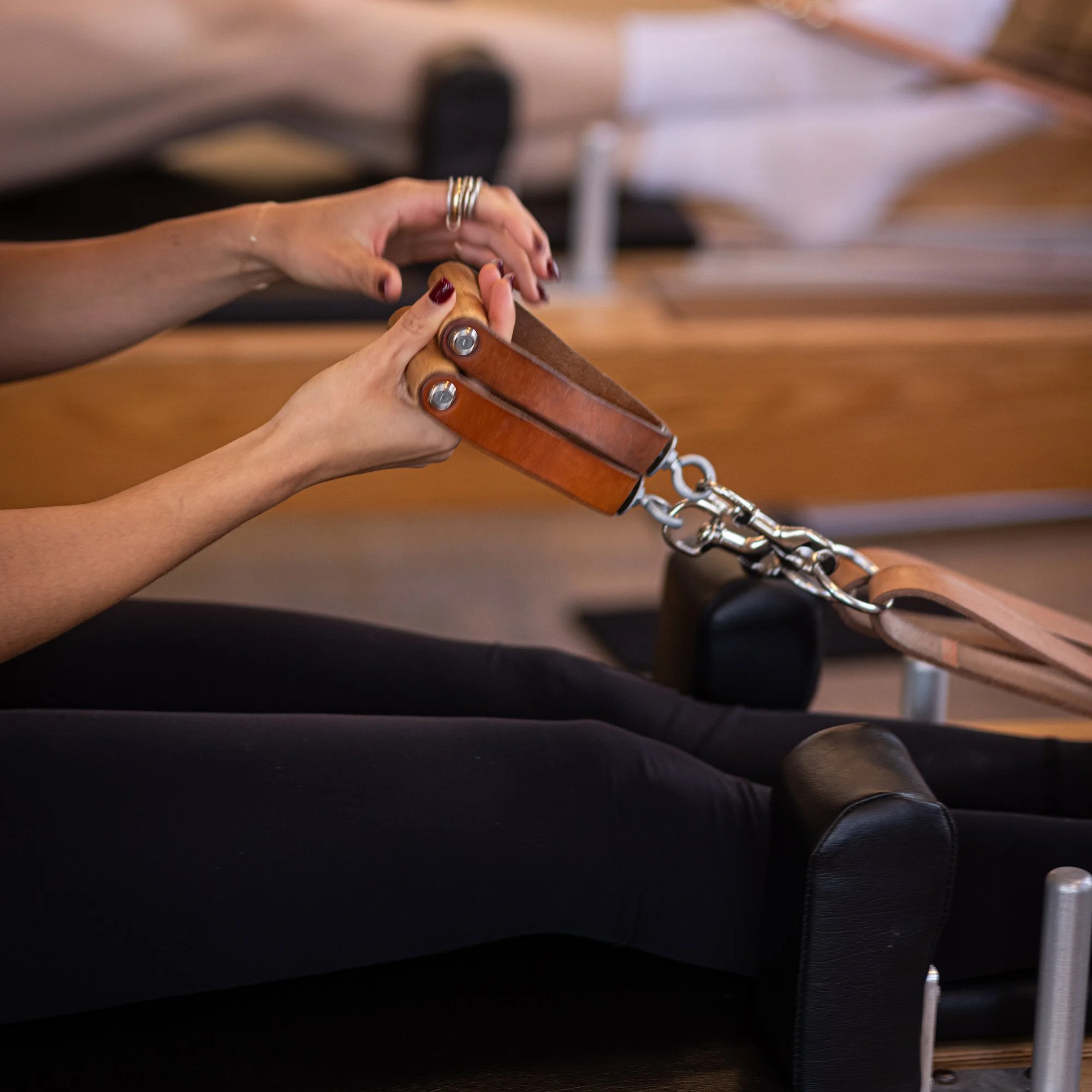
Pilates has grown steadily in popularity over the past few decades. In that time, it has become the go-to exercise for building core strength, improving posture and enhancing flexibility. Despite its widespread use by professional athletes, dancers, everyday fitness enthusiasts and people recovering from injuries, many misconceptions about Pilates persist online and on social media platforms worldwide. These misunderstandings can prevent people from trying Pilates—or from getting the most out of it when they do.
Whether you’re a fitness newbie or someone who is considering adding Pilates to your wellness routine, it’s important to have all the facts. In that spirit, let’s bust some of the most common myths.
Myth #1: Pilates is just for women
The truth: While Pilates is incredibly popular among women, it has always been intended as a practice for everyone. In the early 20th century, Pilates emerged as a go-to practice for dancers seeking strength and longevity in their careers. At the time, deeply ingrained cultural and gender norms associated movement, expression and aesthetic refinement with femininity. These ideas have been reinforced throughout the years by media and social dynamics, creating a self-perpetuating cycle. As a result, many of the early adopters of Pilates were dancers—and therefore, predominantly women.
It’s important to note that Pilates emphasizes core strength, muscular balance, joint mobility and mental focus—all of which are beneficial regardless of gender. In fact, many professional male and female GOATs (LeBron James, Allyson Felix, Simone Biles, Serena Williams and Cristiano Ronaldo, to name a few) have supplemented their training sessions with Pilates to stay in peak condition.
Why the myth persists: The modern marketing of Pilates, especially in boutique studio settings, often skews toward women, which can unintentionally discourage men from practicing. But make no mistake: Pilates is a full-body, challenging workout that doesn’t discriminate.
Myth #2: Pilates is basically the same as yoga
The truth: Although Pilates and yoga share similarities—like a focus on breath, body awareness and controlled movement—they are distinct practices with different goals and methods. Yoga is traditionally more holistic, often incorporating spiritual and meditative elements, along with stretching and strength work through poses (asanas). Pilates, on the other hand, is rooted in functional movement and emphasizes core stabilization, alignment and muscle control, often using specialized equipment like the Reformer or Cadillac.
Why the myth persists: Both practices are often taught in studios and involve mats and low-impact exercise. Some of these exercises (bridges, planks, child’s pose, seated forward bends, etc) may even overlap. Yoga and Pilates are both valuable practices, and they each offer unique benefits; however, one isn’t a substitute for the other.
Myth #3: Pilates is easy (it’s just stretching!)
The truth: Pilates may look graceful and effortless from the outside, but please don’t be fooled—it's deceptively challenging. Many first-timers are surprised at how much strength, endurance and focus even a beginner class requires. Pilates targets small, stabilizing muscles, particularly in the core, hips, and back. The movements require controlled engagement and precise alignment, which can make even “simple” exercises burn.
Why the myth persists: The slow, deliberate pace of Pilates can give the impression that it's not intense. However, it’s precisely this focus on control and technique that makes it so effective.
Myth #4: You need to be flexible and fit to practice Pilates
The truth: One of the most beautiful aspects of Pilates is that it’s adaptable. There aren’t any prerequisites, like touching your toes or holding a plank for five minutes, to get started. Pilates meets you where you are. The method is highly scalable and can be modified for people of all fitness levels, ages and body types as well as for people who are working through injuries. In fact, Pilates is often used in physical therapy settings because of its gentle, rehabilitative nature.
Why the myth persists: Social media often highlights advanced Pilates moves—like inverted exercises on the Cadillac—that can seem acrobatic and wildly intimidating. But beginner-friendly mat Pilates classes are widely available and accessible.
Myth #5: Pilates is only for injury rehab or gentle exercise
The truth: While Pilates is often used for rehabilitation—and rightly so—it’s also a powerful tool for cross-training, athletic conditioning and strength development. Advanced Pilates workouts can be intense and highly demanding, especially when incorporating equipment like the Reformer or the Wunda Chair. Elite athletes often use Pilates to enhance core strength, prevent injury and improve performance. (Check out the list of GOATs who practice Pilates in Myth 1!)
Why the myth persists: Since Pilates has a reputation for helping with injury recovery and chronic pain (which it does very well), some assume it’s not challenging enough for serious training. But when practiced at a higher level, it can absolutely deliver a killer workout.
Myth #6: Mat Pilates is less effective than Reformer Pilates
The truth: While Reformer Pilates offers unique resistance and feedback, mat Pilates is just as valuable and can be incredibly challenging. In fact, Joseph Pilates originally developed the method on the mat before inventing the apparatus. Mat work focuses on using your own body weight for resistance and often requires greater control, since you don’t have the assistance or guidance of springs and pulleys.
Why the myth persists: Because Reformer classes often cost more and use complex-looking equipment, they’re perceived as more advanced or “real” Pilates. But don’t underestimate the power of mat-based workouts—they’re foundational and can be incredibly effective workouts.
Myth #7: Pilates is only about the core
The truth: We all know that Pilates is core-centric, but it’s definitely not core-exclusive! Yes, you’ll work your abs—but you’ll also engage your back, glutes, legs, arms, those interstitial muscles in your torso you didn’t even know you had and even…the muscles in your feet. The emphasis on core control is about creating a strong foundation for full-body movement. That means everything—from your shoulders to your hips to your ankles—gets attention in a well-rounded Pilates class.
Why the myth persists: The phrase “core strength” is so closely associated with Pilates that people often think that’s all it targets. And though you may hear the phrase Navel to spine! ringing out from the mouths of Pilates instructors worldwide, make no mistake: Pilates promotes integrated, total-body strength.
Don’t Judge Pilates by the Stereotypes
Pilates is more than a trendy studio class or a gentle rehab tool—it’s a deeply intelligent movement system that has benefited people at every stage of life. Whether your goal is to recover from injury, build strength, enhance performance or simply move better, Pilates has something to offer.
The next time you hear someone say Pilates is just stretching, just for women, or just for beginners—feel free to put the smack down. Or better yet, invite them to a class and let the practice speak for itself.
Interested in Getting Started?
If you're curious about Pilates, come and start your practice with us! The Pilates Room offers 15% off your first one-on-one session. We also offer discounted rates with our apprentice instructors. Check out our offerings here!