
Consistency over Perfection: Set Yourself Up for Success This Year
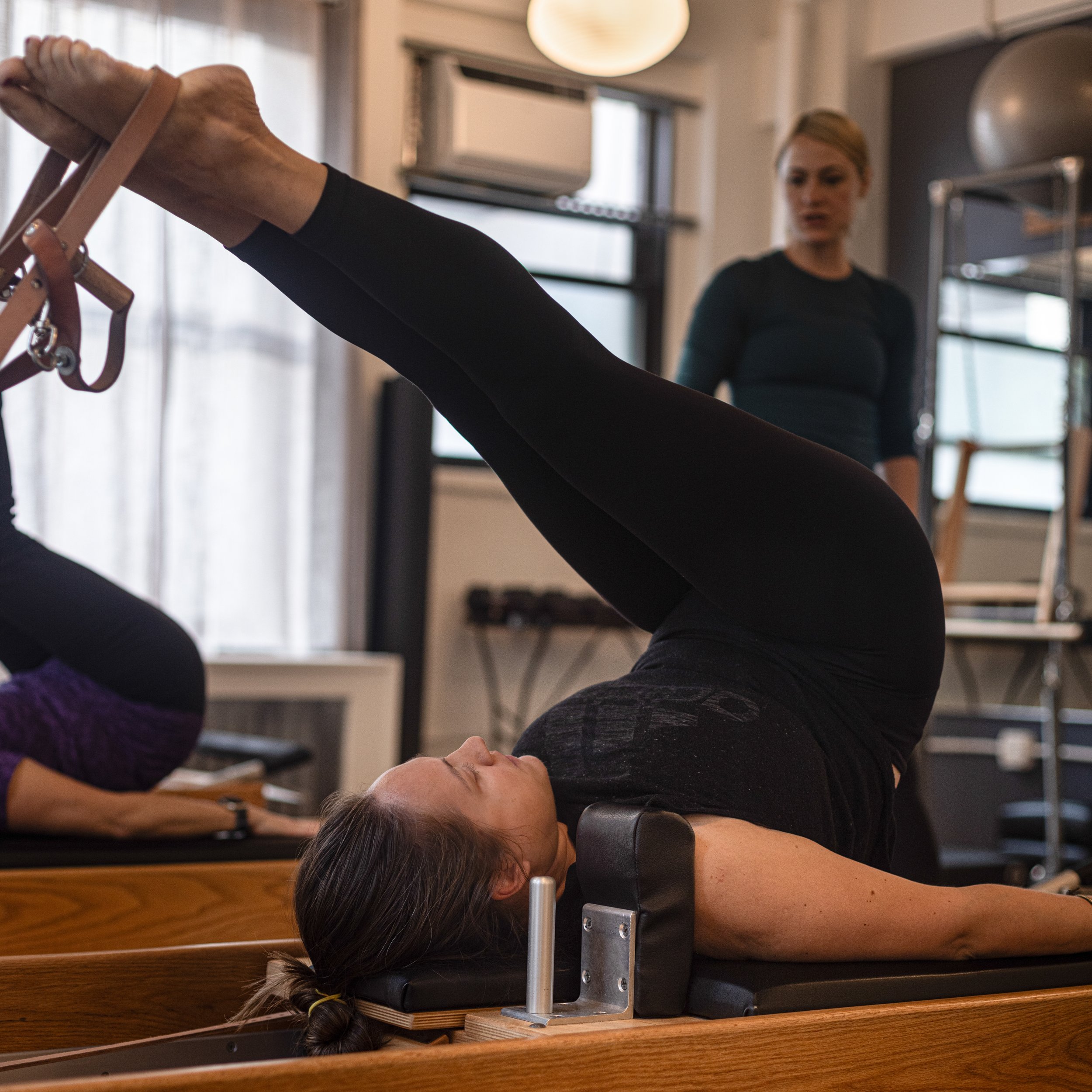
January often arrives with a surge of motivation. There’s a sense of fresh possibility in the air, a collective pause before the year stretches out ahead of us. Many people feel inspired to recommit to their health, to move their bodies more, to feel stronger and more grounded. While this renewed energy can be a wonderful catalyst, it can also come with quiet pressure—the idea that if you start strong, you have to stay perfect. At The Pilates Room, we see this pattern every year. Clients arrive full of verve, but that enthusiasm can transform into frustration when life inevitably interrupts the plan. The truth is, the New Year motivation isn’t what sustains a practice over time.
A movement practice is not something you “get right” once and then maintain flawlessly. It’s a relationship that evolves with you, shaped by your schedule, your energy levels, your stress and the season of life you’re in. Especially in a city like New York, where routines are constantly disrupted by work demands, travel, weather and the general unpredictability of daily life, expecting uninterrupted momentum sets many people up to feel like they’ve failed. The reality is that interruptions aren’t a sign that your practice isn’t working—they’re a natural part of being human. The key is learning how to return, again and again, without judgment.
One of the most common reasons people fall off their fitness routine is the belief that if they can’t do it “properly,” it’s not worth doing at all. This might show up as skipping a session entirely because you’re running late, or abandoning the week because you missed one class. Pilates gently challenges this mindset. The practice itself is rooted in awareness and adaptability. Some days you feel strong and capable, other days you feel tight, tired or distracted. All of that is allowed. What matters most is not how perfect the session is, but that you show up.
Consistency in a Pilates practice doesn’t mean coming in five days a week without exception. It means creating a rhythm that is realistic. For some people, that might be two sessions a week. For others, it might be one longer session paired with shorter moments of movement at home. Consistency is personal, and it can shift over time. When you release the idea that there’s a single “right” way to practice, you give yourself permission to stay connected even when things aren’t ideal.
January is also a time when people often underestimate how quickly life will resume its usual pace. Work deadlines return immediately, social calendars fill up and unexpected challenges arise. A sustainable practice accounts for this from the beginning. Instead of asking, “What’s the most I can commit to?” it can be more helpful to ask, “What can I maintain even during this incredibly busy week?” When you plan for the reality of interruptions—travel, illness, long workdays—you’re less likely to feel derailed when they happen. You already know that missing a class doesn’t mean you’re off track; it just means you’ll return when you can.
Pilates is uniquely supportive of this mindset because it emphasizes long-term strength and awareness over quick results. Progress often happens quietly. You might notice that your posture improves, that you feel more stable during a repeated movement, or that your lower back doesn’t ache after sitting at your desk. These changes come from a collection of sessions over time. They are the result of showing up consistently, not pushing yourself to exhaustion or chasing an ideal version of yourself.
Another important part of staying motivated is shifting how you define success. If success is tied only to external markers—how many classes you took, how flexible you feel, how strong you look—it’s easy to feel discouraged. When success is defined by how you feel in your body, how present you are during movement and how supported you feel by your practice, it becomes much more accessible. A session where you move gently, breathe deeply and leave feeling calmer is just as valuable as one where you feel challenged and energized.
At our studio, we remind clients that there is no such thing as falling behind. Your body remembers what you’ve done before. Strength, coordination and awareness don’t disappear because you took a break. When you return after time away, you’re not starting over—you’re continuing from where you are now. This perspective can be incredibly motivating, especially for those who have an all-or-nothing approach to fitness. Knowing that you can step back in without punishment or pressure makes it easier to keep coming back.
Consistency also builds trust. Each time you show up, even when you’re tired or distracted, you reinforce the belief that you can take care of yourself. That trust extends beyond the studio. It shows up in how you manage stress, how you listen to your body’s signals, and how you navigate challenges in daily life. Over time, the practice becomes less about motivation and more about habit—not a rigid habit, but a flexible one that adapts as needed.
It’s also worth acknowledging that motivation naturally ebbs and flows. No one feels inspired every week of the year. Expecting constant enthusiasm is not realistic! Instead of waiting to feel motivated, consistency asks you to rely on commitment and self-compassion. Some days you come because you’re excited, other days you come because you know you will feel better when the session is complete. Both reasons are valid.
In a city that celebrates hustle and achievement, choosing consistency over perfection is a quiet act of self-respect. It means valuing your well-being even when it doesn’t look impressive or dramatic. It means allowing your practice to support you through busy seasons, slow seasons and everything in between. Pilates offers a space to reconnect with your body without pressure, to move with intention, and to build strength gradually and sustainably.
As you move through January and beyond, consider setting expectations that leave room for real life. Plan for the days you’ll miss. Trust that you will return. Let go of the idea that a perfect routine exists, and focus instead on creating one that you can sustain. Place value in the long game. Over time, those small, consistent choices add up to something powerful—a practice that supports you not just at the start of the year, but throughout it.