
The Benefits of Pilates During Pregnancy
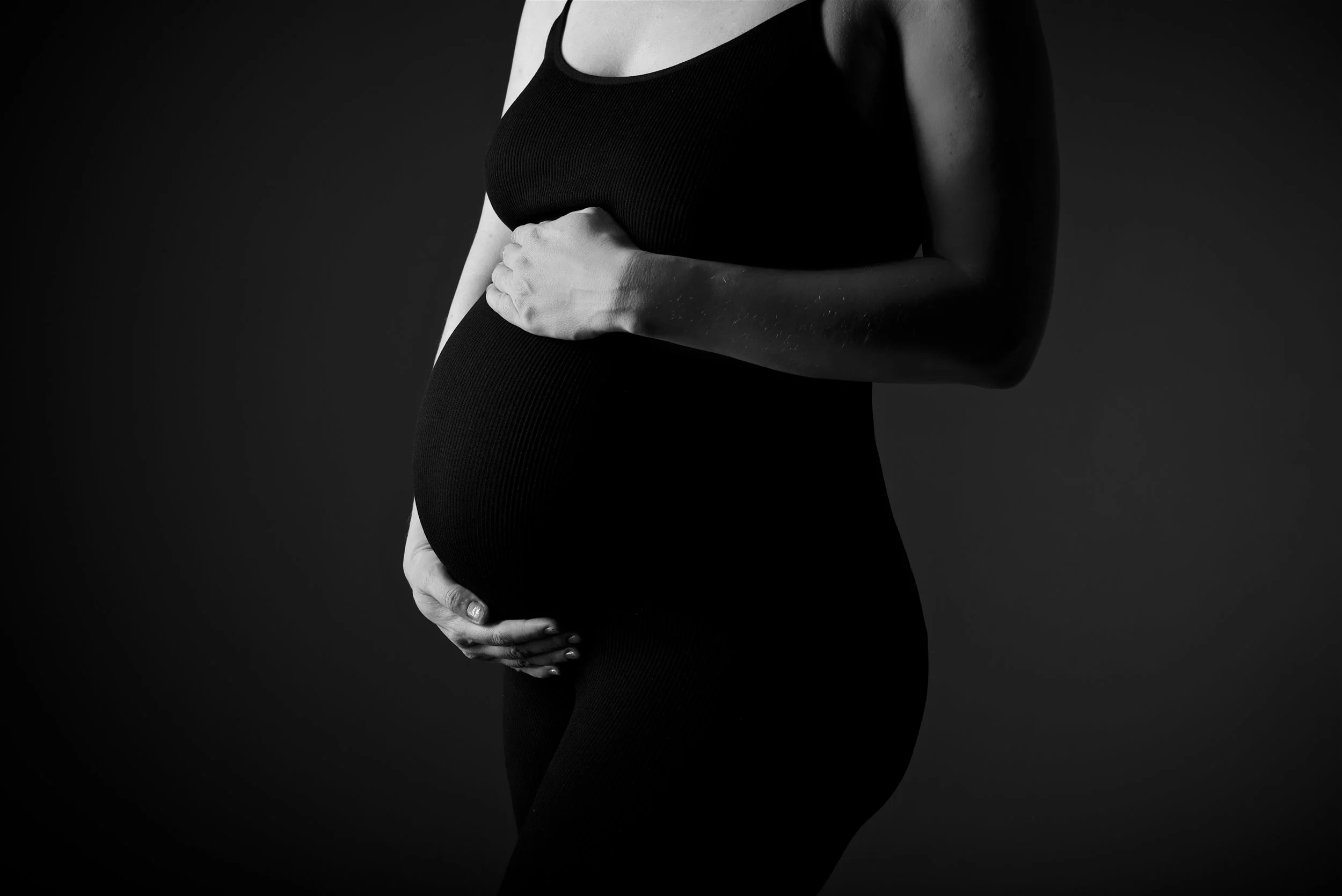
Pregnancy is a time of extraordinary change—physical, emotional and mental. As women progress through each trimester, prioritizing movement becomes both more essential and more challenging. Many women search for an exercise practice that feels gentle and grounding yet energizing enough to support them through each trimester. Pilates is a particularly good option, as it offers a blend of controlled movement, mindful breathing and core-centered stability that aligns beautifully with the unique physical changes of pregnancy. Pilates’ adaptability and emphasis on alignment make it one of the safest and most beneficial forms of movement for mothers-to-be.
At its heart, Pilates focuses on strengthening the deep abdominal and pelvic floor muscles. These muscles play a crucial role during pregnancy, offering support to the growing belly and helping maintain proper posture as the body’s center of gravity shifts. Many expectant mothers experience lower back pain as the spine accommodates the baby’s increasing weight, and Pilates helps counter this by reinforcing the muscles that keep the spine aligned. Instead of overstretching or compressing the lower back, Pilates movements focus on creating length and stability. This mindful strengthening can significantly reduce back discomfort and help expectant mothers move through daily activities with greater ease.
Breathing is another cornerstone of Pilates that becomes especially important during pregnancy. The practice encourages deep, controlled lateral breathing—expanding the ribcage to make room for deep inhales even as the growing uterus limits the downward movement of the diaphragm. This type of breathwork not only enhances oxygen flow but also supports relaxation and stress reduction. As childbirth approaches, the ability to breathe through discomfort and stay connected to the body becomes increasingly valuable. Pilates helps cultivate this connection long before labor begins, offering a safe and supportive environment for expectant mothers to learn how their breath can be both a source of strength and calm.
One of the most appealing aspects of Pilates for expectant mothers is its adaptability—Pilates can easily be modified to accommodate the changes that come with each trimester. In the first trimester, women often continue their usual routines with subtle modifications, focusing on alignment and maintaining strength. As the pregnancy progresses, exercises can be adjusted to avoid lying flat on the back or engaging in movements that overly compress the abdomen. In the later stages, Pilates often shifts toward movements performed on an incline, on hands and knees, or in seated or side positions. This adaptability ensures that women can continue moving safely and comfortably throughout all three trimesters, without the worry of overexertion or improper positioning.
Pilates also offers tremendous benefits for balance and coordination. As the belly grows and the mother’s posture changes, her sense of balance naturally shifts. Simple actions like stepping out of a car or walking up stairs may begin to feel challenging. Pilates exercises often incorporate controlled transitions, mindful weight shifting and stabilizing movements that help mothers stay aware of their changing center of gravity. This awareness not only helps prevent falls but also nurtures confidence in moving through the world during pregnancy.
Equally important is the impact Pilates can have on mental well-being. Pregnancy is often filled with anticipation and excitement, but it can also bring anxiety. Pilates emphasizes mindfulness—staying present in the body and creating mental clarity through focused movement. This mindful approach can serve as a welcome pause in a busy day, allowing expectant mothers to recenter themselves and reconnect with their changing bodies. Many women describe Pilates as meditative, not because it is slow or passive, but because it encourages intentional movement that quiets the mind. This mental grounding can be valuable as mothers prepare for childbirth and the transition into parenthood.
The benefits of Pilates during pregnancy do not end with childbirth; in fact, the practice can lay the foundation for a smoother postpartum recovery. Because Pilates strengthens the deep core and pelvic floor, women who practice regularly during pregnancy often find it easier to reconnect with these muscles after giving birth. Pilates helps create body awareness—understanding how to engage and release muscles effectively—which is essential during the recovery period. New mothers often face challenges such as diastasis recti, weakened pelvic floor muscles or postural changes from feeding and holding a newborn. The principles learned in prenatal Pilates support healing by encouraging correct alignment, balanced muscle engagement and gradual strengthening. While postpartum recovery should always proceed at a pace guided by medical providers, many women discover that the familiarity of Pilates helps them feel supported and empowered throughout the process.
Of course, it is essential for expectant mothers to listen to their bodies and work with qualified instructors who understand prenatal modifications. Every pregnancy is unique, and what feels comfortable for one woman may not feel right for another. Pilates encourages this self-awareness, inviting practitioners to honor their bodies’ messages rather than push through discomfort. This gentle approach to exercise aligns beautifully with the imperative of pregnancy—where tuning into the body becomes not just beneficial but necessary.
Ultimately, Pilates offers expectant mothers a way to stay active, connected, and confident throughout pregnancy. Its blend of strength, flexibility, balance and breathwork addresses the physical demands of carrying a child while nurturing emotional well-being. By focusing on controlled, mindful movement, Pilates supports the body as it changes and lays a foundation for recovery. Additionally, it offers a safe, empowering, and deeply supportive experience for mothers-to-be. In a time marked by transformation, Pilates becomes more than just exercise—helping expectant mothers move with confidence and resilience as they prepare to welcome new life.
If you’re interested in trying prenatal Pilates or continuing your existing practice with safe guidance, our studio offers one-on-one instruction. We’re here to help you move through pregnancy with strength and balance. Feel free to reach out with questions or to schedule your first session!